How to Achieve 1000 Hours Outside

How We Fit 1000 Hours Outside Into a Busy Family Schedule (What Actually Counts)
When families first hear about the 1000 Hours Outside, the most common reaction is:
“That sounds great… but how would we ever fit that in?”
Between school, work, sports, meals, and everyday life, it can feel like there simply isn’t time to add one more thing. But what most families discover is that the challenge doesn’t require adding more to the schedule; it’s about using the time you already have differently.
Once you understand how outdoor hours naturally add up, the challenge becomes far more realistic than it first appears.
The Shift That Makes It Possible
The biggest mindset shift is this:
Outdoor time doesn’t need to be separate from real life.
You don’t need extra outings, elaborate plans, or hours carved out each day. Most of your outdoor time will come from:
Small moments
Everyday routines
Time you were already spending just indoors
When you stop thinking in terms of “activities” and start thinking in terms of presence, everything changes.
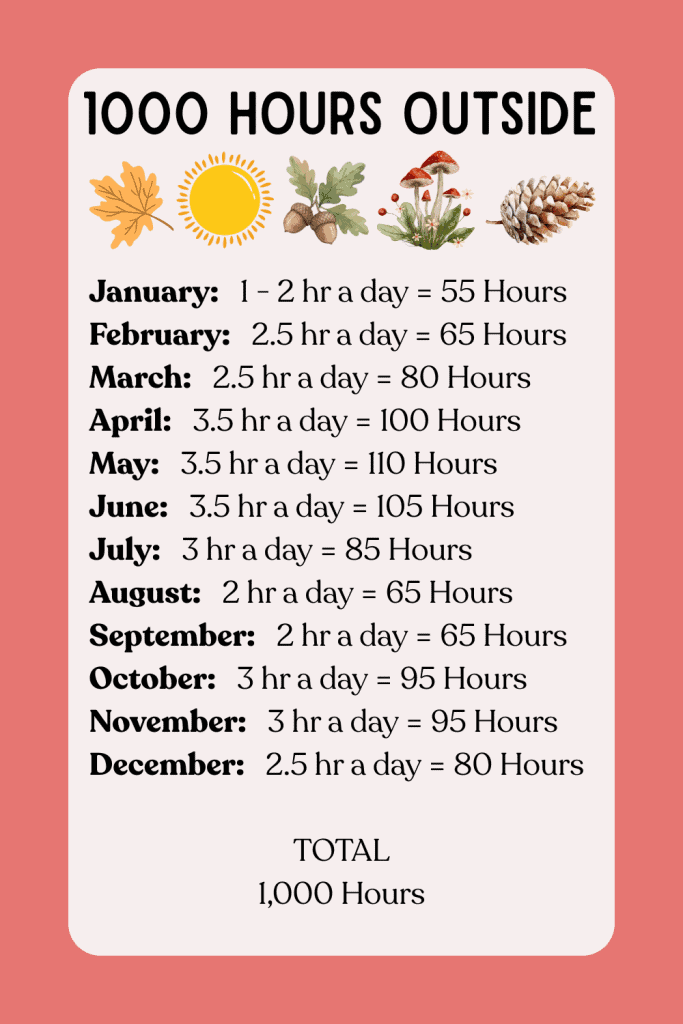
School Days vs. Weekends: How Time Adds Up
On School Days
Weekdays tend to look busy and rushed, but even then, outdoor time sneaks in more easily than you expect.
Some common weekday outdoor time includes:
Playing outside after school
Walking or biking home
Eating a snack outdoors
Sitting outside while the kids unwind
Evening driveway or backyard play
Even 30–60 minutes a day adds up quickly over the course of a school week.
On Weekends
Weekends are where many families rack up longer stretches without realizing it.
Outdoor time might look like:
Park visits
Sports games or practices
Bike rides
Backyard projects
Family walks
A few weekend afternoons can cover a big portion of your weekly outdoor total—no extra planning required.
School Days vs. Weekends
On school days, we stopped trying to “fit in” outdoor time and instead let it happen naturally. After school, instead of heading straight inside, the kids would play in the yard while I made dinner or sat nearby for a few minutes.
It wasn’t structured or long, but those small windows added up fast. On weekends, we didn’t aim for anything special, either parks, sports, bike rides, or just being outside longer than usual, easily made up for the shorter weekday time.
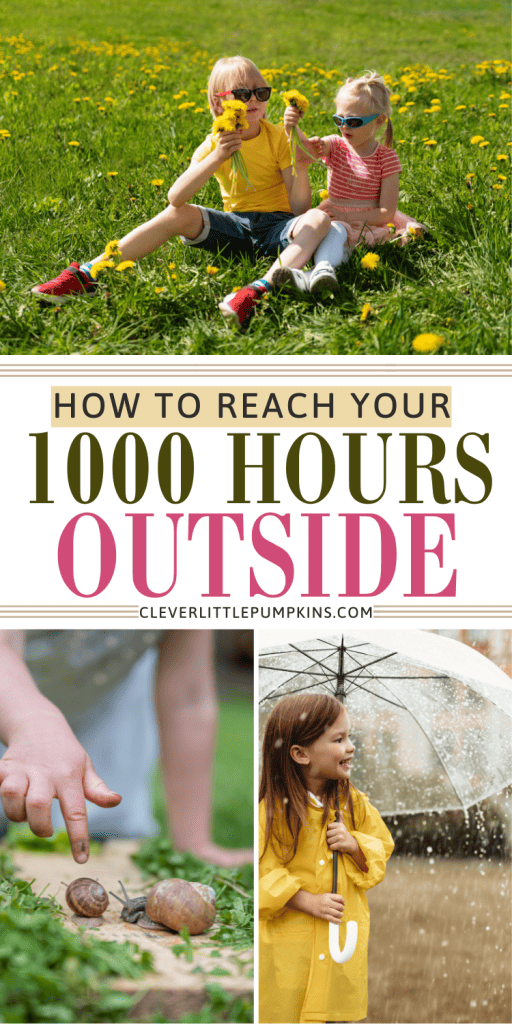
Short Outdoor “Wins” Matter More Than You Think
One of the most freeing realizations is that outdoor time doesn’t have to be long to count.
Ten minutes here. Twenty minutes there.
It all adds up.
Short outdoor wins might include:
Going outside while dinner finishes cooking
Letting kids play while you drink coffee
Stepping outside instead of turning on a screen
These tiny habits are often easier to maintain than big outings, and they’re what make consistency possible.
Short Outdoor “Wins”
Some days felt too busy or overwhelming to plan anything extra, so we started celebrating short outdoor wins. Ten minutes outside after a long day still counted. Sometimes it was just stepping out while the kids ran around or sitting in the driveway for a bit.
Once I stopped thinking it had to be “worth it,” those tiny moments became easier, and surprisingly, they happened more often.
Stacking Habits: The Secret to Making It Work
Habit stacking is one of the simplest ways families fit more outdoor time into busy days.
Instead of creating new routines, you pair outdoor time with things you’re already doing.
Some easy examples:
Outside + snack → eat after-school snacks outdoors
Outside + reading → quiet reading time on the porch or lawn
Outside + chores → kids play while you garden or sweep
Outside + downtime → relaxing outdoors instead of inside
Nothing extra gets added to the day; it just gets moved outside.
Stacking Habits (Outside + Snack, Reading, Etc.)
One of the biggest changes came when we paired outdoor time with things we were already doing. Snacks moved outside. Reading time moved to the porch. Instead of feeling like outdoor time was another task, it simply became part of our routine.
The kids stayed outside longer than I expected, and it didn’t feel like I was adding anything new to the day; it just felt lighter.
What Actually Counts Toward the 1000 Hours Outside Challenge?
This is where many parents feel instant relief.
The rule is simple:
If your kids are outside, it counts.
You don’t need nature lessons, exercise goals, or planned activities. Everyday life outdoors is exactly what this challenge is about.
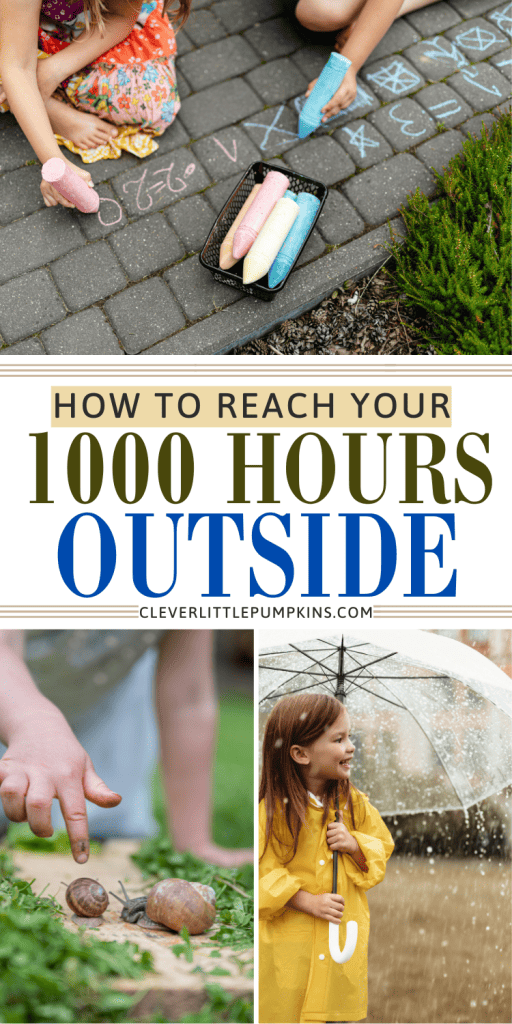
Backyard Time Counts
Some of the most valuable outdoor hours happen right at home.
This includes:
Playing in the yard
Sitting on the porch
Driveway chalk
Trampoline time
Free play while parents relax nearby
Backyard time is often the easiest, most repeatable way families build outdoor habits.
Backyard Time
We used to overlook backyard time because it didn’t feel exciting enough. But once we started counting it, I realized how much time we were already spending there.
The kids would play while I sat nearby or did small chores, and before I knew it, an hour had passed. Backyard time became our easiest and most reliable way to build outdoor hours without leaving home.
Sports Practices and Games Count
If your kids play sports, you’re already spending a lot of time outside.
This includes:
Practices
Games
Warm-ups
Waiting on the sidelines
Parents sometimes forget to count this time, but it absolutely qualifies.
Sports Practices
Sports days were a huge eye-opener for us. I hadn’t even considered counting practices and games at first, but once I did, it changed everything.
Those long stretches sitting on the sidelines or watching from a chair added up quickly. It was reassuring to realize we weren’t “behind”; we were already doing more than we thought.
Walking to School (or Anywhere) Counts
Any time spent walking outside adds up:
Walking to and from school
Walking the dog
Family walks around the neighborhood
Parking farther away and walking
These everyday movements are a great example of outdoor time blending naturally into life.
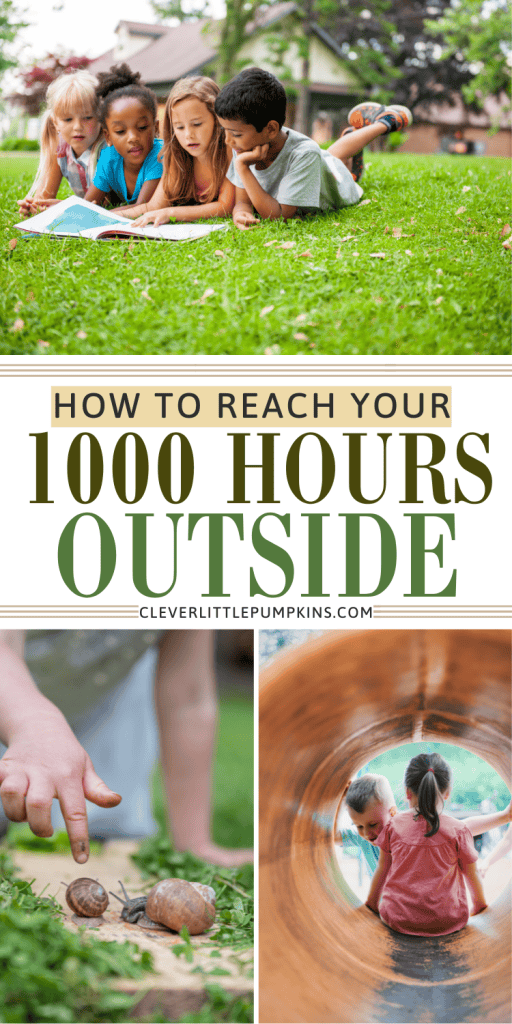
Errands, Waiting, and Outdoor Chores Count Too
Outdoor time doesn’t stop counting just because life is happening.
These moments count:
Waiting outside for siblings
Running errands that include walking
Helping with yard work
Gardening
Sitting outside during activities
Even quieter moments standing, sitting, and waiting still matter.
Why This Approach Feels So Sustainable
Families who stick with the challenge long-term usually aren’t the ones doing the most; they’re the ones expecting the least.
They:
Count ordinary moments
Stop worrying about perfection
Let outdoor time fit into life instead of competing with it
And over time, being outside becomes the default, not the exception.
What surprised me most was how quickly outdoor time became normal once we stopped overthinking it. We didn’t change our entire schedule; we just opened the door more often. And that simple shift made being outside feel accessible, calm, and doable, even on the busiest days.
If You’re Feeling Overwhelmed, Start Here
If all of this still feels like a lot, try one small shift:
Replace one daily screen moment with outdoor time
Eat one snack outside
Let kids play while you sit nearby
That’s enough.
You don’t need to reach 1,000 hours to benefit. You just need to open the door more often.
READ MORE 1000 HOURS POSTS
What is 1000 Hours Outside? Try the Challenge
How to Start 1000 Hours Outside
Pin How to Achieve 1000 Hours Outside: